
Virtual Therapy for Black Women Across California and Georgia
Therapy for
Trauma & PTSD
Trauma in Black women rarely looks the way it gets described. It can look like hypervigilance that never turns off, a body that cannot feel safe, or the weight of experiences you were never given space to process.

Trauma & PTSD in Black Women Are Not the Same
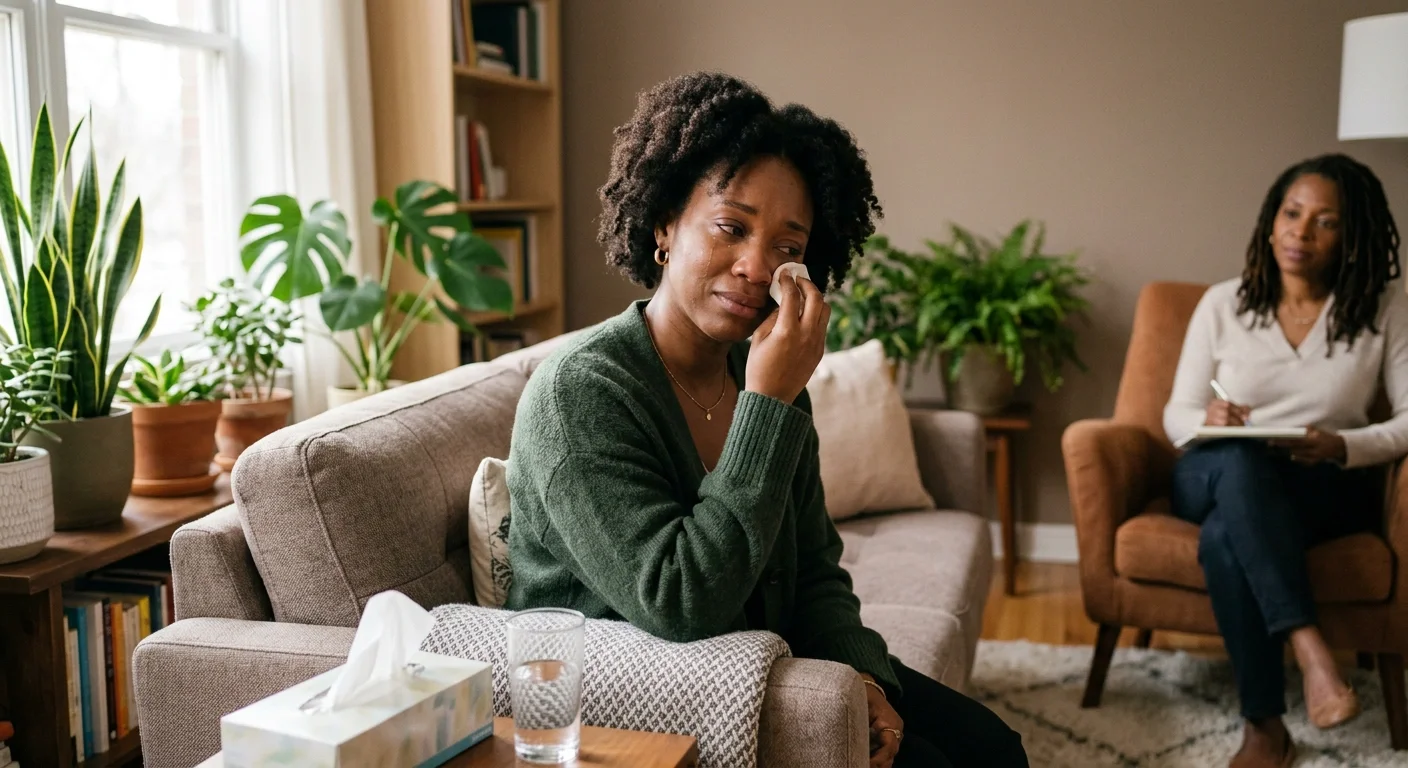
For Black women, trauma is rarely a single event. It is layered. It is the accumulation of racial harm, medical mistreatment, community violence, childhood experiences, and a culture that expects you to keep moving regardless of what you have been through.
PTSD in Black women is frequently undiagnosed because the symptoms are misread. Hypervigilance gets labeled as an attitude. Avoidance gets called laziness. Emotional numbness gets read as strength. None of that is accurate, and none of it is fair.
Trauma does not always look like a flashback. Sometimes it looks like never being able to fully relax. A body that stays braced even when nothing is wrong. Relationships that feel unsafe, even with people you love. The inability to trust a medical system that has historically failed you.
You deserve care that already understands that. Not care that makes you explain it first.
Trauma in Black women is not weakness. It is the natural response to experiences that were genuinely harmful, carried for far too long without the support you deserved."
Trauma Touches Every Part of Life
Our therapists support women and families through a range of emotional experiences related to pregnancy, postpartum life, relationships, and major life transitions.
-

Black Women
For Black women carrying racial trauma, medical harm, childhood experiences, or the accumulated weight of living in a world that has not kept you safe. You should not have to explain the context before care can begin.
-
Black Mothers
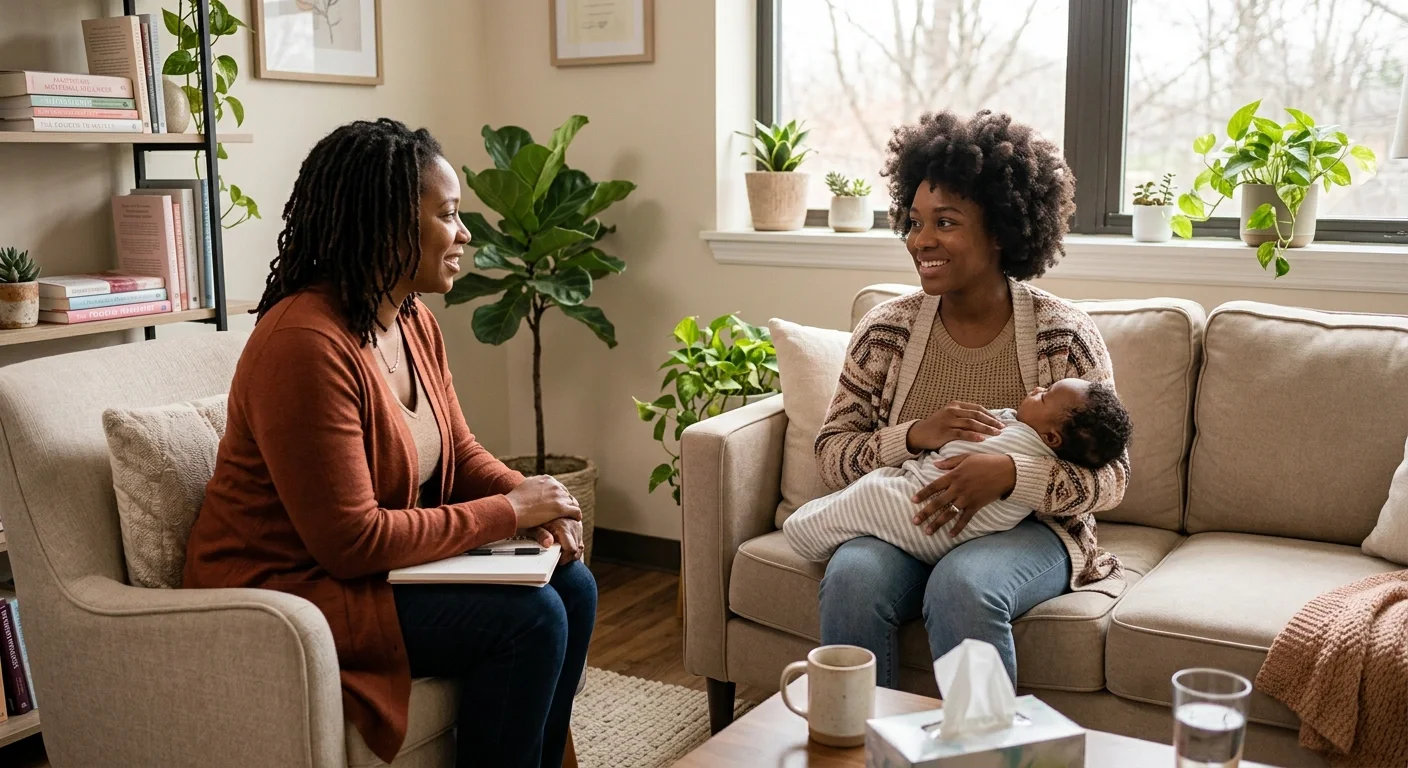
For Black mothers navigating birth trauma, postpartum PTSD, or a birth experience that left you shaken or dismissed. What happened in that delivery room mattered and it deserves to be addressed.
-

Couples and Relationship
For couples where unresolved trauma is showing up. Trauma-informed couples therapy helps you understand what is happening between you and build something more stable together.
-

Black Teens
For Black teens processing racial harm, family trauma, or the emotional weight that comes with growing up Black in spaces that were not built with them in mind. They deserve a therapist who already gets it.

What Trauma & PTSD Look Like in Black Women
Hypervigilance That Will Not Turn Off
Always scanning for danger, unable to relax even in safe spaces, or feeling like you have to stay alert at all times. A nervous system that never got the signal that it is okay to rest.
Emotional Numbness or Disconnection
Feeling detached from yourself or your surroundings, going through the motions without feeling present, or noticing that emotions that once felt accessible have quietly shut down.
Intrusive Memories or Flashbacks
Unwanted memories, images, or sensations from a past experience that surface without warning, including memories of racial harm, medical procedures, difficult births, or childhood experiences.
Avoidance of People, Places, or Situations
Staying away from things that remind you of what happened, including medical appointments, certain environments, or specific conversations, even when avoidance is making your life smaller.
Difficulty Trusting Others or Feeling Safe
Struggling to feel safe in relationships, medical settings, or professional environments, even with people who have not harmed you. A trust that was broken somewhere and has not fully come back.
Physical Symptoms Without a Clear Medical Cause
Chronic tension, pain, fatigue, or stomach issues that do not respond to rest or medical treatment alone. Trauma lives in the body, and the body keeps score long after the event has passed.
Anger, Irritability, or Emotional Reactivity
Strong reactions that feel bigger than the moment, difficulty regulating emotions after a triggering experience, or anger that comes from deep pain that has never been addressed or validated.
Racial Trauma Symptoms
Exhaustion, grief, rage, or numbness in response to racial violence, discrimination, and the ongoing experience of living in a body that society has not protected. Racial trauma is real, valid, and treatable.
Trauma symptoms in Black women are frequently misread, minimized, or attributed to something else entirely. These are the signs that often go unrecognized.
Is Trauma Treatable? Yes. Even Long-Standing Trauma.

Trauma can get better. That is not a promise made lightly. It is what the research shows and what our clients experience. Even if you have been carrying something for years. Even if it has become so woven into how you move through the world that it feels like personality. Even if you have tried to push through it alone and it keeps finding its way back.
Trauma therapy for Black women in California and Georgia starts where your life actually starts. With the racial context. The medical distrust. The experiences you were told to get over before you ever had a chance to feel them.
Progress looks like a nervous system that can finally rest. A body that feels like yours again. Relationships that do not feel like minefields. The quiet but real shift from surviving to actually living. That shift is possible, and it can happen for you.
How We Treat Trauma & PTSD at BGMHC
We use proven, evidence-based approaches tailored to the full context of your life. Not generic trauma protocols but tools that account for who you are, what you have been through, and where you want to go.
-
EMDR Therapy
Eye Movement Desensitization and Reprocessing is one of the most effective treatments for trauma and PTSD. EMDR helps the brain reprocess traumatic memories so they stop pulling you back into the experience. Relief without having to retell every detail. Especially effective for racial trauma, birth trauma, and adverse life events.
-
EMDR Intensives
For clients who want to process trauma more efficiently, Dr. Chyna Hill offers EMDR intensives. Concentrated, high-impact sessions designed for those who feel stuck in recurring patterns and want focused, deep work rather than a long drawn-out process.
-
Trauma-Informed CBT
Cognitive Behavioral Therapy adapted for trauma identifies the thought patterns and beliefs that trauma created, including shame, self-blame, and hypervigilance, and builds practical tools to shift them. Effective for both acute and complex trauma in Black women.
-
Faith-Based Trauma Therapy
For Black women whose faith is central to their identity, trauma therapy can thoughtfully incorporate prayer, scripture, and spiritual practice. If you carry church hurt or spiritual wounds alongside other trauma, this is a space to address all of it without judgment.
Meet Our Therapists for Trauma & PTSD
-

Breea Wainwright
Licensed Marriage and Family Therapist, PMH-C
Breea specializes in birth trauma and perinatal mental health for Black mothers. She supports women through traumatic birth experiences, pregnancy loss, and the complicated emotional landscape of pregnancy after loss.
MEET BREEA -

Dr. Chyna Hill
Licensed Clinical Social Worker, PMH-C, EMDR Certified
Dr. Hill specializes in EMDR intensives for clients who want to process trauma efficiently. Her work is designed for those who feel stuck in recurring patterns and want focused, high-impact healing rather than a drawn-out process.
REQUEST AN INTENSIVE -

Chantal Austin
Licensed Clinical Social Worker, PMH-C
Chantal provides trauma-focused therapy including EMDR for Black women whose symptoms are connected to racial trauma, birth-related stress, or past experiences. Relief without requiring you to retell every painful detail.
MEET CHANTAL -

Ebony Staten
Associate Marriage and Family Therapist, APCC, PMH-Trained
Ebony works with Black women and couples carrying trauma that has affected relationships, communication, and daily functioning. She helps clients reconnect with themselves and each other without shame.
MEET EBONY
Frequently Asked Questions About Trauma & PTSD Therapy for Black Women
Everything you want to know before your first session.
-
Trauma in Black women often presents in ways that are misread or dismissed. Hypervigilance gets labeled as attitude. Avoidance gets called laziness. Emotional reactivity gets called being difficult. Common presentations include:
Chronic hypervigilance and an inability to feel safe, even in low-risk situations
Emotional numbness or disconnection from yourself and others
Intrusive memories, nightmares, or flashbacks triggered by reminders of past experiences
Physical symptoms including chronic tension, pain, and fatigue that do not respond to rest alone
Deep distrust of medical systems, institutions, and authority figures
Racial trauma symptoms including grief, rage, exhaustion, and numbness after exposure to racial violence or discrimination
At BGMHC, our therapists understand the full context of how trauma accumulates in Black women's lives, including the compounding effects of racial trauma, birth trauma, and systemic harm.EMDR works differently. It targets how memories are stored in the nervous system, not just how you think about them. Key differences include:
You do not need to narrate your trauma in detail. EMDR works through body-based reprocessing, not storytelling.
It addresses trauma stored in the body, not just thoughts in the mind.
It is often faster. Many clients see meaningful shifts in fewer sessions than with traditional talk therapy.
Its nonverbal nature makes it safer for clients who have felt silenced, tone-policed, or dismissed in talk therapy settings.
-
Trauma is the emotional and psychological response to a deeply distressing experience. PTSD is a clinical diagnosis that occurs when trauma symptoms persist over time and significantly affect daily functioning. Not everyone who experiences trauma develops PTSD, but both deserve support. Many Black women live with PTSD symptoms for years without an accurate diagnosis because their presentations are misread or because they never had access to culturally affirming care that could recognize what they were carrying.
-
Racial trauma refers to the psychological and emotional harm caused by experiences of racism, discrimination, racial violence, and the chronic stress of navigating a society that has not consistently protected Black people. It is real, it is valid, and it is treatable. Racial trauma can look like hypervigilance in predominantly white spaces, grief and rage after racial incidents, exhaustion from constant code-switching, or a deep mistrust of systems that were designed without you in mind. Therapy for racial trauma in Black women is a core part of our work at BGMHC.
-
Birth trauma occurs when a childbirth experience is perceived as frightening, life-threatening, or deeply distressing. For Black mothers, birth trauma is compounded by the documented reality of obstetric racism, dismissal of pain, inadequate care, and emergency interventions that were not communicated or explained. If you left your birth experience feeling shaken, violated, dismissed, or haunted by what happened, that is birth trauma. It is not being dramatic. It is a real clinical condition that responds well to trauma-focused therapy. Learn more about our birth trauma therapy.
-
EMDR, or Eye Movement Desensitization and Reprocessing, is one of the most evidence-based treatments available for trauma and PTSD. It works by helping the brain reprocess traumatic memories so they lose their emotional charge. During EMDR, you follow a therapist's guided eye movements or other bilateral stimulation while briefly focusing on a difficult memory. Over time, the memory becomes less activating and the trauma response diminishes. EMDR does not require you to retell your story in detail, which makes it particularly valuable for Black women who have had to explain and justify their experiences in other settings. Learn more about EMDR therapy at BGMHC.
-
Yes. Black teens are navigating racial harm, community violence, family trauma, and social pressures that are distinct from what adults experience. Our therapists offer culturally affirming care for Black teens that takes their specific context seriously. Learn more about therapy for Black teens at BGMHC.
Your therapist will work with you to identify priorities and create a treatment map, moving through memories and themes at a pace that feels manageable and safe. Processing one memory often has a ripple effect, reducing the emotional charge of related memories even before you directly address them.
-
Yes. Unresolved trauma in one or both partners can significantly affect communication, intimacy, trust, and safety within a relationship. Trauma-informed couples therapy helps partners understand how past experiences are shaping present dynamics and builds tools to navigate that together. Learn more about couples therapy for Black couples at BGMHC.
Grief that feels stuck, that cycles without resolution or that lives in the body as physical heaviness, is exactly the kind of experience EMDR is designed to help move through. Your therapist will support you in honoring the loss while helping your nervous system release what it has been holding.
-
Yes. We accept multiple insurance plans in California and Georgia, including United Healthcare (Optum), Anthem Blue Cross California, Blue Shield of California, Carelon Behavioral Health, Magellan, Blue Cross Blue Shield of Massachusetts, Quest Behavioral Health, Aetna, Cigna, Horizon Blue Cross and Blue Shield of New Jersey, and Independence Blue Cross Pennsylvania. We also offer therapy vouchers for eligible Black women who are currently pregnant or within one year postpartum. Contact us to learn what is available to you.
Those gaps, while useful for integration, can also slow momentum. In an intensive, your brain can move through material more continuously, which often leads to faster and deeper shifts. Think of it as the difference between painting a room in short bursts over several weeks versus blocking off a full weekend to complete it.
Intensives include the same structured eight-phase EMDR process. The difference is pacing, depth, and the concentrated space available for healing.
-
Yes. We provide secure, HIPAA-compliant virtual therapy for Black women throughout California and Georgia. Because of licensing regulations, therapy must be provided in the state where you reside. If you are searching for a Black trauma therapist in California or a trauma therapist in Georgia, our virtual model allows you to access culturally affirming care from the comfort and privacy of your own space. If you live outside California or Georgia, we can provide referrals to trusted providers in your area.
Still have questions?
Our team is happy to talk through anything before you book.
What you have been through is real. Healing is too.
Culturally affirming trauma therapy for Black women, mothers, teens, and couples in California and Georgia. Licensed therapists who understand your world. Virtual sessions. Free consultation.