
Virtual Therapy for Black Women Across California
Therapy for
Anxiety & Depression
Anxiety and depression in Black women rarely look the way they are described in textbooks. They can look like exhaustion, irritability, high achievement, or the relentless feeling of never doing enough.

Anxiety & Depression in Black Women Are Not the Same

For Black women, anxiety and depression are often shaped by more than personal circumstances. Racial stress, the weight of the Strong Black Woman expectation, systemic barriers, caregiving roles, and the pressure to hold everything together while appearing fine on the outside, all of these contribute to how these conditions feel and how they show up.
Anxiety may not look like nervousness. It can look like a body that never fully rests, a mind that runs constantly, or a low-grade dread that follows you everywhere.
Depression may not look like sadness. It can look like numbness, irritability, overworking, or going through the motions while feeling completely empty inside.
Neither of these is a character flaw. Both are treatable. And both deserve care that actually understands the full context of your life.
Where to Start
Find the Support That Fits What You Are Carrying
Anxiety and depression can overlap, but they are not the same experience. Select the area that feels most like what you are going through, or book a consultation and we will help you find the right fit.
-

Therapy for Anxiety in Black Women
For Black women navigating racial stress, performance pressure, caregiving, and the constant feeling of being on guard. Anxiety is not just worry. It is a body that cannot rest and a mind that will not turn off.
-

Therapy for Depression in Black Women
For Black women experiencing numbness, exhaustion, or the sense of going through the motions. Depression often hides behind high achievement and caregiving. You do not have to wait until things fall apart to get support.
Recognizing the Signs
What Anxiety & Depression Look Like in Black Women
Emotional Exhaustion
Feeling drained even after rest, emotionally flat, or disconnected from things that used to bring joy or meaning.
Always On Guard
A persistent sense of tension, hypervigilance, or the feeling that you are always bracing for the next thing to go wrong.
High-Functioning Pain
Continuing to perform, achieve, and show up for others while internally feeling like you are barely holding it together.
Irritability & Snapping
Reacting with frustration or anger more quickly than usual, especially toward people you love, without fully understanding why.
Sleep & Body Symptoms
Trouble sleeping, persistent headaches, stomach issues, or a body that carries tension even when nothing is visibly wrong.
Racing Thoughts & Worry
A mind that will not slow down, constant overthinking, or replaying conversations and scenarios that feel impossible to let go of.
These experiences are more common than they appear. Many Black women go years without recognizing what they are carrying because it does not match how anxiety and depression are typically described.
How We Treat Anxiety & Depression at BGMHC
Our therapists use evidence-based approaches tailored to the full context of your life. Not generic strategies, but tools that account for who you are and what you are carrying.
-
Cognitive Behavioral Therapy (CBT)
Identifies anxious and depressive thought patterns and builds practical tools to shift them. Especially effective for perfectionism, self-doubt, and performance pressure.
-
EMDR Therapy
For anxiety and depression rooted in past trauma, including racial trauma, medical trauma, or adverse life experiences that keep the nervous system activated.
-
Interpersonal Therapy (IPT)
Addresses how relationships, role changes, and grief contribute to depression and anxiety. Particularly effective for postpartum and perinatal mental health.
-
Mindfulness-Based Strategies
Practical tools for nervous system regulation, reducing rumination, and building presence. Grounded in techniques that fit into real, busy lives.
-
Faith-Based Therapy
For Black women whose faith is central to their identity, therapy can thoughtfully incorporate prayer, scripture, and spiritual practice.
Meet Our Therapists for Anxiety & Depression
Our clinicians are licensed in California and specialize in culturally affirming care for Black women navigating anxiety, depression, and the pressures that come with both.
-
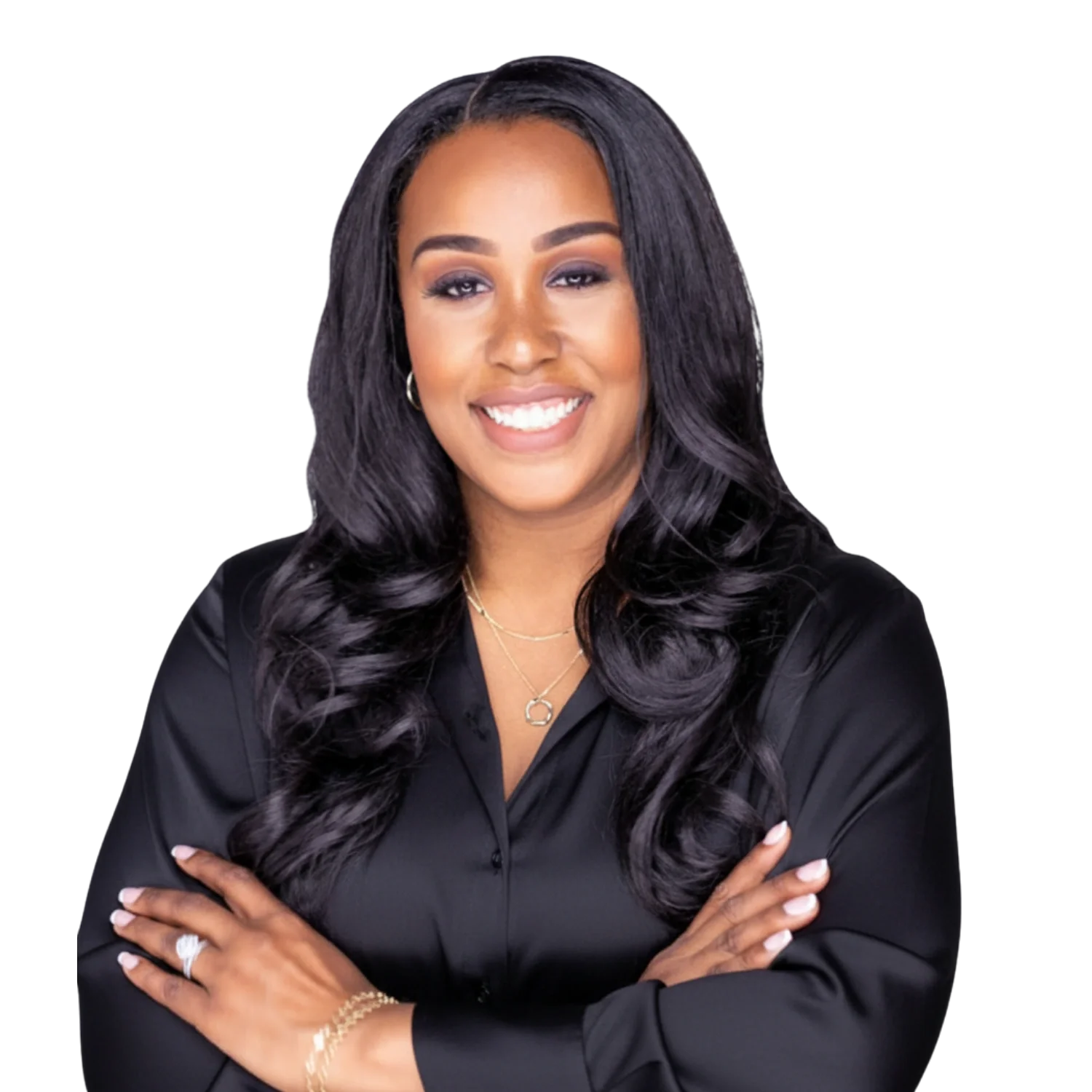
![Black female therapist Asia smiling in a professional headshot, offering support for anxiety, depression, and identity work]()
Asia Williams
Associate Clinical Social Worker, PMH-Trained
Asia supports Black women navigating anxiety, overthinking, burnout, relationship stress, and identity shifts. Her approach is warm, grounded, and focused on building real connection.
MEET ASIA -
![Black female therapist Athena in a professional headshot, supporting pregnancy and postpartum]()
Athena Morrisette
Licensed Clinical Social Worker, PPSC, PMH-Trained
Athena provides culturally responsive therapy for Black women navigating anxiety, depression, identity shifts, and major life transitions. Her work is grounded in relational safety and emotional regulation.
MEET ATHENA -
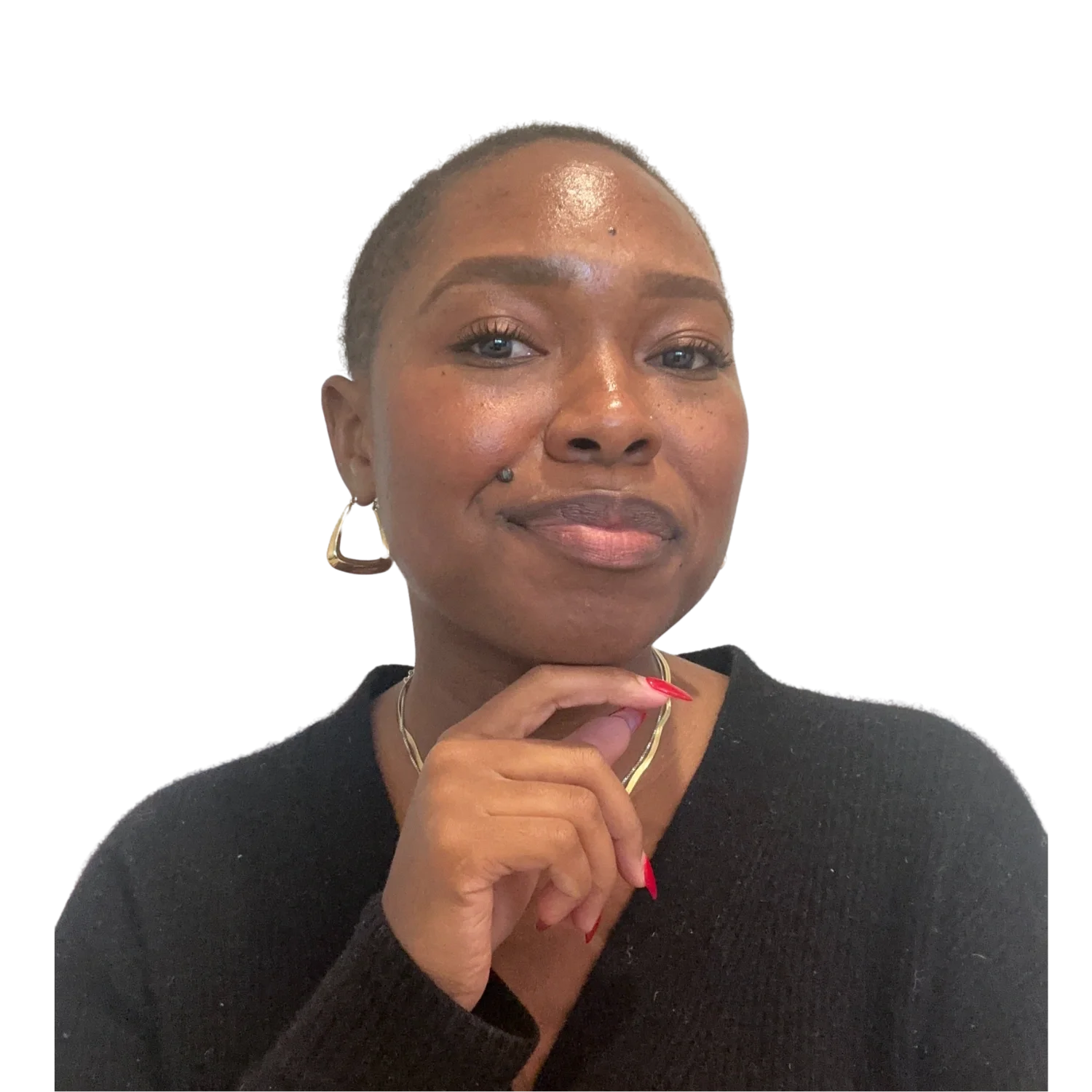
![Black female therapist Chantal in a warm portrait, specializing in anxiety, depression, and self-worth]()
Chantal Austin
Licensed Clinical Social Worker, PMH-C
Chantal specializes in trauma-focused therapy including EMDR for Black women whose anxiety and depression are connected to past experiences, racial trauma, or birth-related stress.related anxiety.
MEET CHANTAL -
![Black female therapist Dr. Hill in a professional portrait, specializing in maternal mental health, relationships, and EMDR therapy]()
Dr. Chyna Hill
Licensed Clinical Social Worker, PMH-C, EMDR Certified
Dr. Hill offers EMDR intensives for clients seeking concentrated trauma healing. Her work is designed for those who feel stuck in recurring patterns and want a focused, high-impact approach to processing anxiety and depression rooted in trauma.
REQUEST AN INTENSIVE -
![Black female therapist Ebony in a warm, professional portrait, specializing in anxiety, trauma, and black couples therapy]()
Ebony Staten
Associate Marriage and Family Therapist, APCC, PMH-Trained
Ebony works with Black women and families carrying heavy responsibilities and feeling the strain. She specializes in anxiety, burnout, communication, and helping high-achieving clients find more balance and ease.
MEET EBONY -
![Black female therapist Breea in a calm and welcoming headshot, supporting maternal mental health and postpartum therapy]()
Breea Wainwright
Licensed Marriage and Family Therapist, PMH-C
Breea specializes in perinatal mental health, supporting Black mothers through pregnancy, postpartum anxiety and depression, and the identity shift that comes with motherhood. Her work addresses the full picture, including the nervous system and relationships.
MEET BREEA




Frequently Asked Questions About Anxiety & Depression Therapy
-
Anxiety in Black women often presents as chronic stress, physical tension, trouble sleeping, irritability, or the constant feeling of being on guard. It may not look like classic nervousness. For many Black women, anxiety is shaped by racial stress, the pressure to appear strong, and the weight of holding things together for others, which means it is frequently dismissed as just stress rather than recognized as something that deserves real support.
-
Depression in Black women often presents as emotional numbness, exhaustion, irritability, or high-functioning performance that masks deep internal pain. It is frequently overlooked because it does not match mainstream portrayals of depression. Many Black women live with depression for years without an accurate diagnosis because their symptoms are misread as attitude, stress, or personal weakness rather than a mental health condition that deserves treatment.
-
Yes. Anxiety and depression frequently co-occur, and therapy can address both at the same time. Our therapists develop personalized treatment plans that account for the full picture of what you are experiencing rather than treating each symptom in isolation. Evidence-based approaches like CBT and EMDR are effective for both conditions and are tailored to your specific experiences and goals.
-
Talking to someone you trust can be genuinely helpful, but therapy offers something different. A therapist is a trained, objective presence who is not personally affected by what you share. There is no worry about burdening them, no risk of the conversation shifting to their needs, and no history or relationship dynamic that shapes how they respond. Therapy also provides structure, evidence-based tools, and consistency over time, which is what creates real, lasting change rather than temporary relief. For many Black young adults, therapy is often the first space where they can be fully honest without managing how someone else receives it.
-
Yes. We provide secure, HIPAA-compliant virtual therapy for Black women throughout California. Sessions are accessible from home, campus, or any private space, making it easier to stay consistent without adding logistical pressure to your life. Virtual therapy is just as effective as in-person sessions and is often easier to prioritize given the demands of everyday life.
-
Yes. We accept multiple insurance plans including Aetna, Anthem Blue Cross, Blue Shield of California, Cigna, Optum, Magellan, Carelon Behavioral Health, and Quest Behavioral Health. Self-pay options are also available. Book a free consultation and we will confirm your coverage before your first session so there are no surprises.
-
Yes. If faith or spirituality is central to your identity, your therapist can thoughtfully incorporate it into sessions. This may include prayer, scripture reflection, or spiritual practices that feel meaningful to you. If you have a complicated relationship with faith or have experienced church hurt, therapy is also a safe space to explore that without judgment. Faith integration in therapy is always client-led.
Still have questions?
Our team is happy to talk through anything before you book.
Take the Next Steps
You deserve support that actually understands your world.
Whether you are navigating anxiety, depression, or both, we are here with care that reflects your full experience, not just your symptoms.